
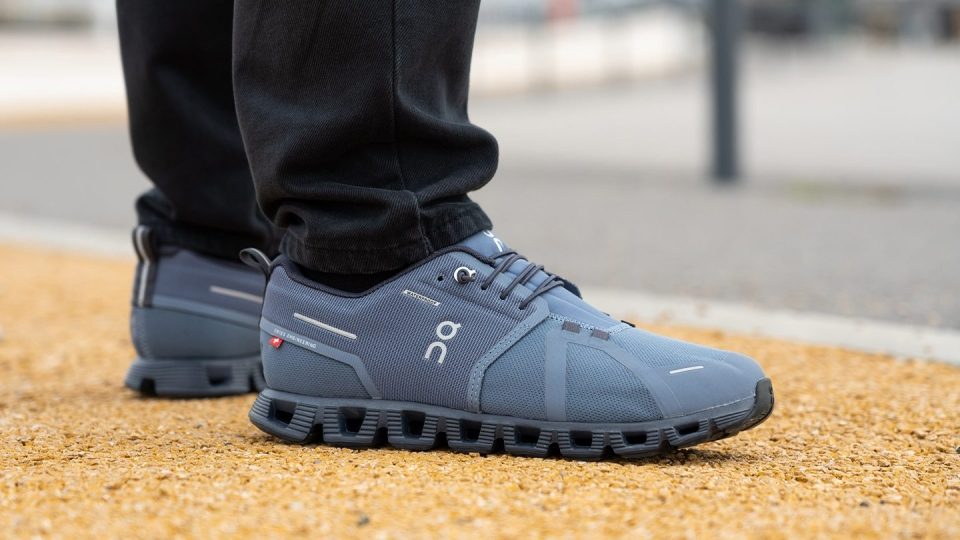
When (not) to get waterproof walking shoes
Light drizzles and occasional puddles are probably not the reason why you are looking for a pair of waterproof walking shoes.
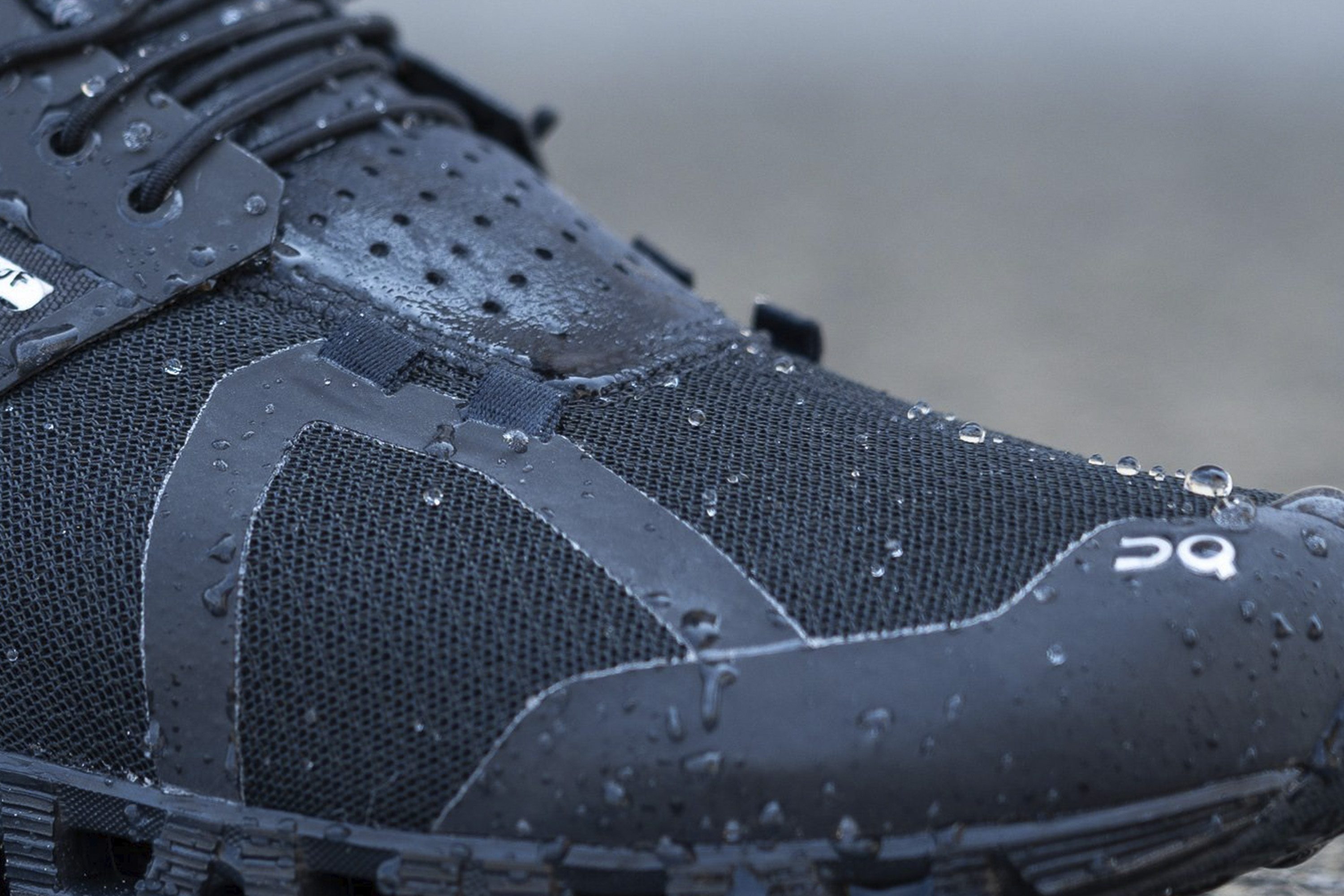
Because there is a considerable tradeoff in breathability and price, getting a waterproof shoe should be justified by the poor weather conditions. In other words, is the rain and snow bad enough for you to invest in waterproofing, or perhaps a water-repellent or water-resistant shoe can do the job?
|
Water-resistant |
Water-repellent |
Waterproof |
|
|
Best for |
light rain and dry snow |
light-to-moderate rain, average snow |
moderate-to-heavy rain, wet snow |
|
Water pressure resistance* |
0-5000 mm (no pressure) |
5000-10000 mm (light pressure) |
10000-20000 mm (high or very high pressure) |
*Measured by the hydrostatic head in millimeters. A 1’’ x 1’’ tube is put over a piece of fabric and is gradually filled with water. The number of millimeters of water that the tube can take before water begins to leak through the material is the hydrostatic head. The lower the number in mm, the less waterproof the fabric.
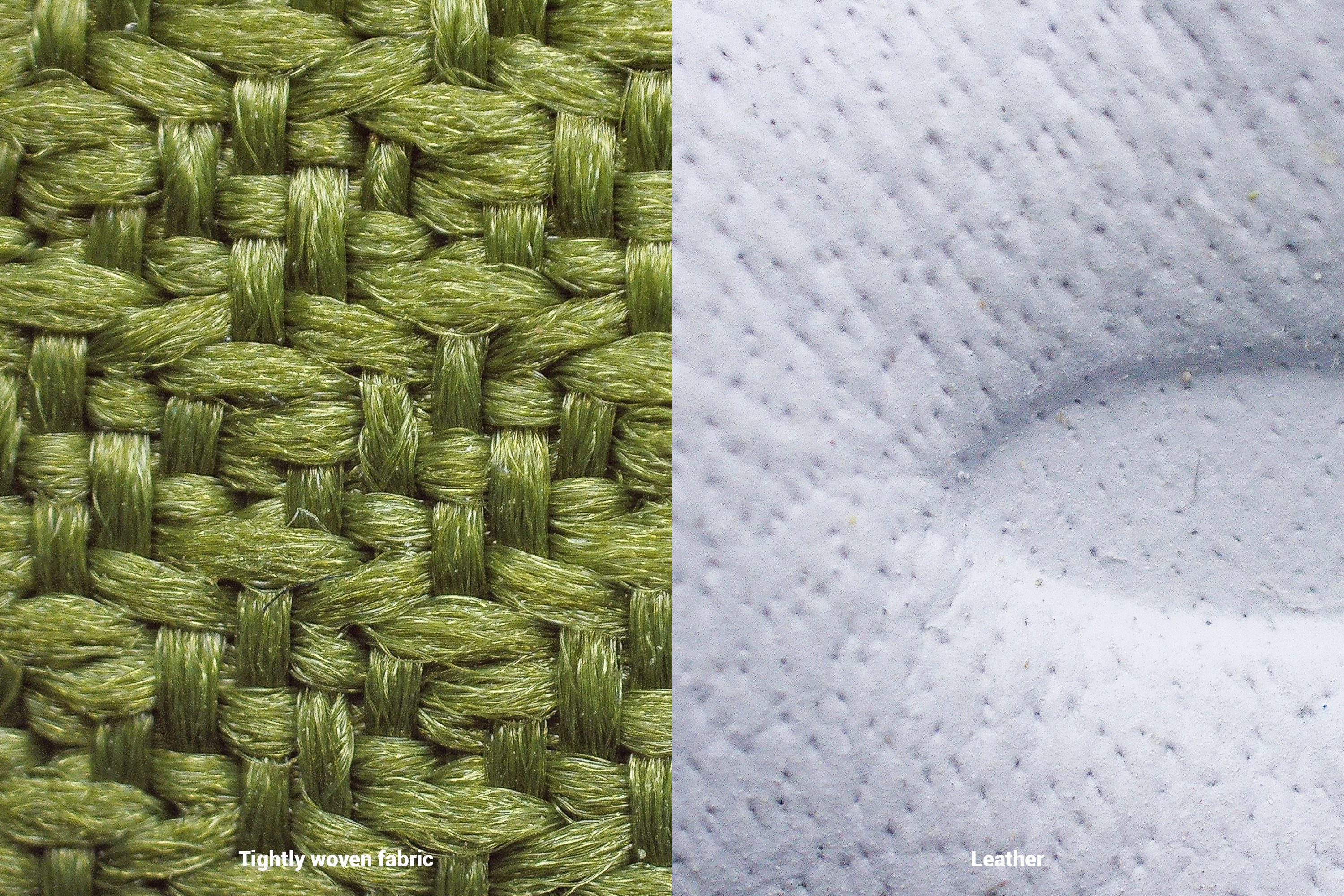
Water-resistant shoes usually have a tightly woven fabric upper that is naturally capable of resisting water upon contact. Leather and suede uppers also have some inherent water resistance. These shoes are fairly breathable.
Water-repellent shoes have their uppers treated with a durable water-repellent (DWR) finish or other hydrophobic chemicals. This impacts breathability but some ventilation is still present.
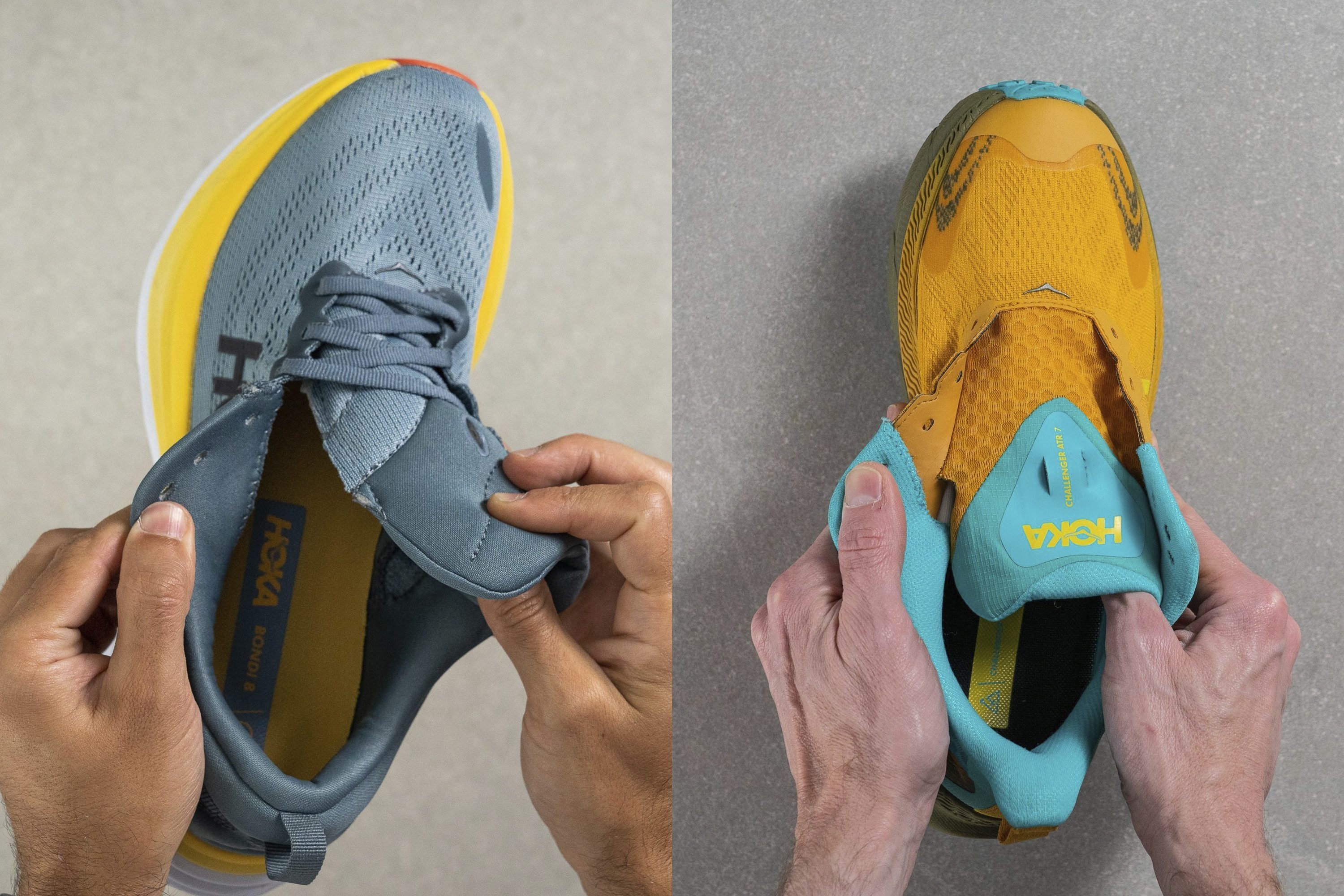
Waterproof shoes feature a Gore-Tex (GTX) membrane or other brand-specific waterproofing technology that can resist up to 20000 mm of water at high pressure (i.e. downpour or stepping in a puddle). Most often, it is additionally coated with a water-repellent (DWR) finish. The tongue of these shoes is fully attached to the quarters (fully gusseted) closing the gaps in the upper. All of this makes waterproof shoes very warm and leaves little to no airflow.
Waterproof shoes show the worst results in our lab breathability tests.
Considering all of the above, here are the reasons to buy waterproof walking shoes:
- You regularly walk in moderate-to-heavy rain, slush, wet grass, and soggy conditions.
- You need a warm pair of shoes for temperatures below 50°F (10°C).
On the flip side, here are some of the reasons NOT to buy waterproof walking shoes:
- You deal with moderate weather with very few heavy rains and storms. A water-resistant or water-repellent shoe might be a better alternative.
- You usually walk at temperatures above 50°F (10°C) and warm shoes make your feet sweat. It’s better to get a breathable shoe but regulate the warmth with good socks (wool or bamboo).
- You often step into puddles or snow/slush that are ankle-deep or even deeper. Once the water seeps inside a waterproof shoe, it will keep your feet soggy all the time. In that case, a mid-cut waterproof hiking boot might be more suitable.
How to tell if a shoe is waterproof
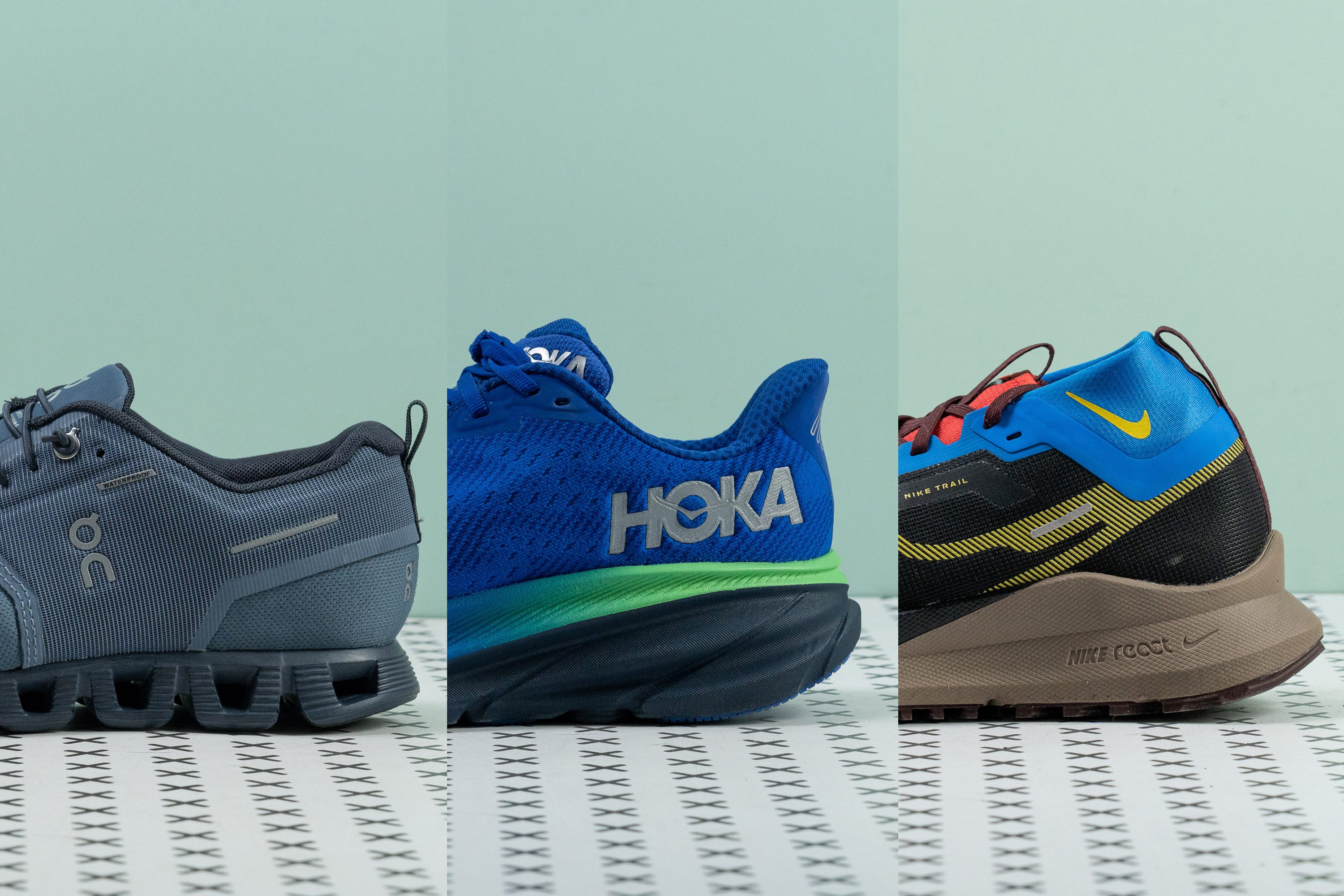
First of all, look at the shoe’s name. Words like “Gore-Tex” (“GTX”) or “Waterproof” (“WP”) are usually the most common indication.
Even though some brands design their own waterproofing technologies, Gore-Tex remains the world’s leading membrane. Nike, Adidas, Hoka, and many other reputable footwear companies are choosing Gore-Tex to make waterproof versions of their most popular shoes. What’s more, this material is very extensively used in all sorts of outdoor gear and even in military apparel and medical devices.
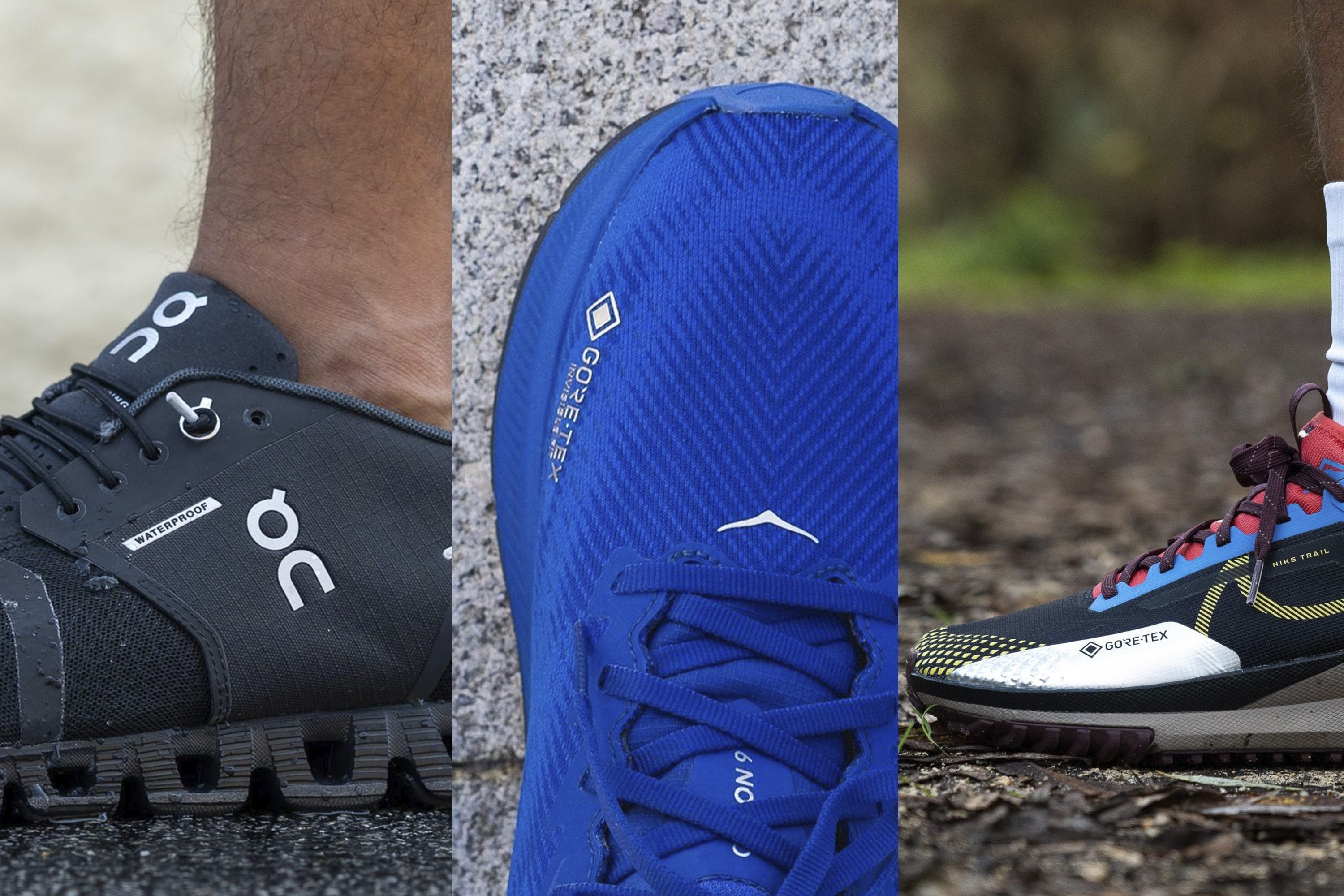
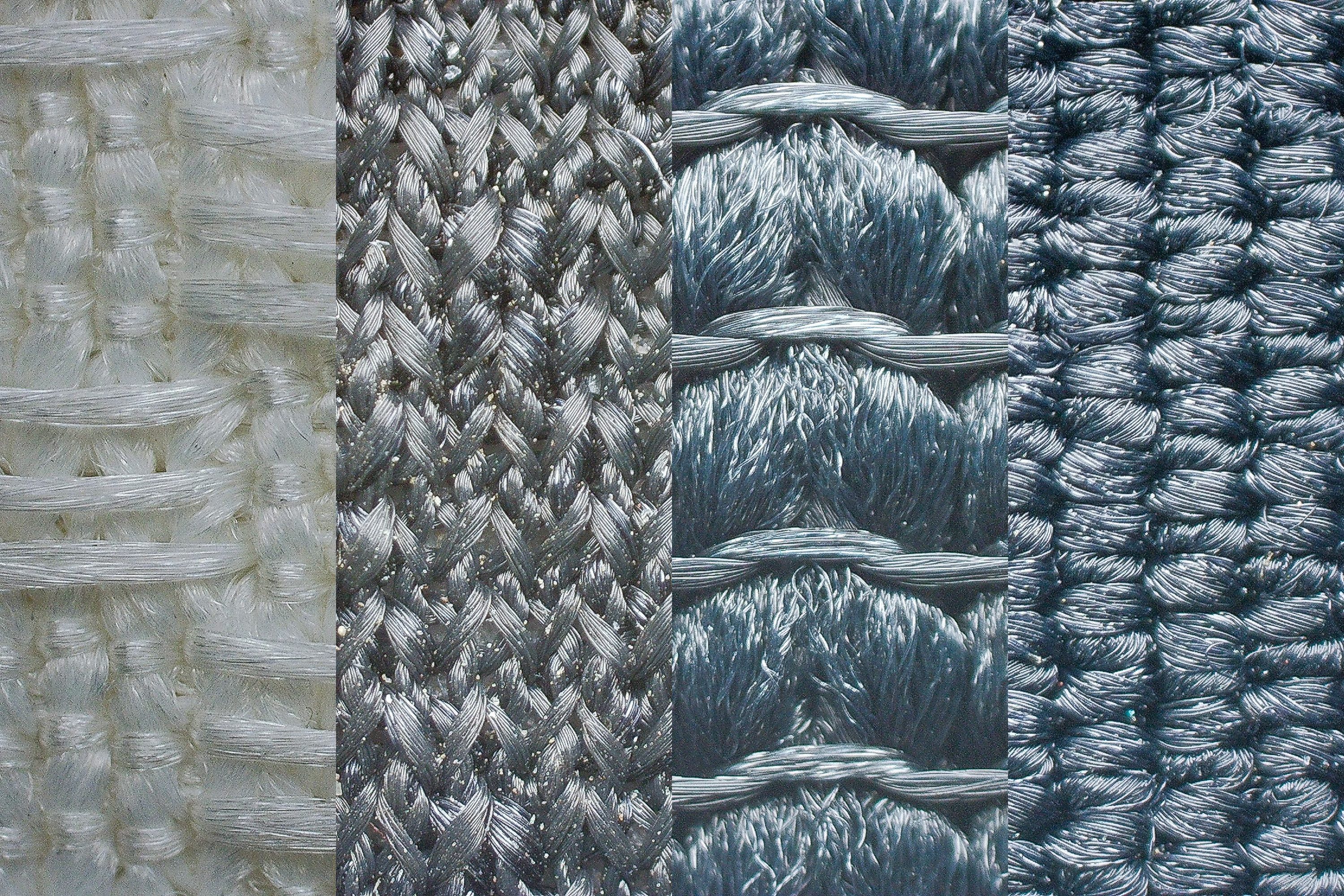
Taking a closer look at the upper of waterproof shoes, you will find a very close-knit fabric that has no ventilation pores or perforations.
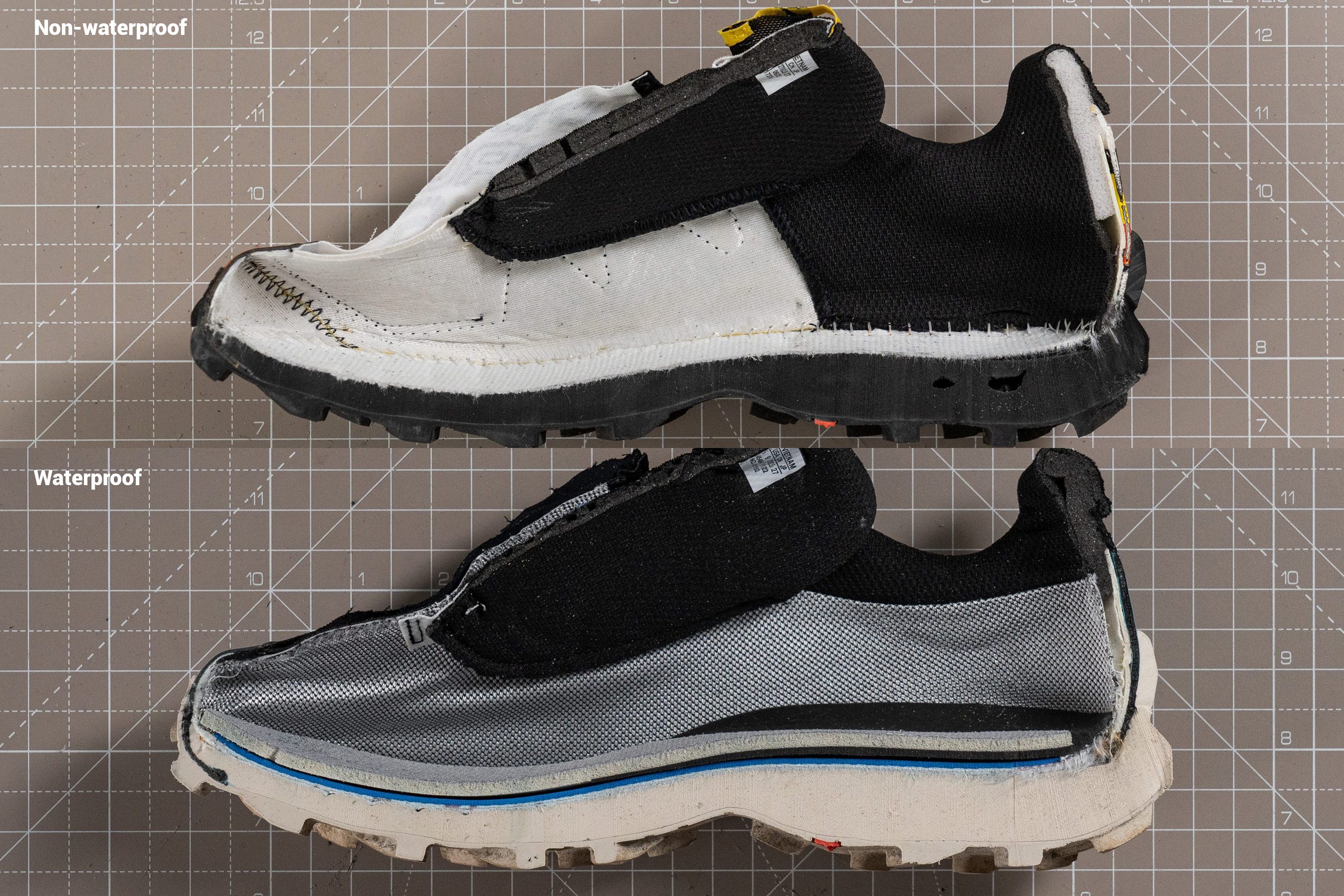
And if you investigate the inner lining of these shoes, you will notice a thick shiny material that seals the shoe from the inside. That is the waterproof membrane and it is important to keep it intact so that the shoe doesn’t lose its protective features.
Last but not least, the tongue of a waterproof shoe is fully attached to the rest of the upper. This prevents water from seeping through the gaps.
Don’t overlook the grip
Good waterproof walking shoes will not only keep your feet dry in the upper but will also keep you surefooted on wet concrete and grass, mud, slush, and snow.
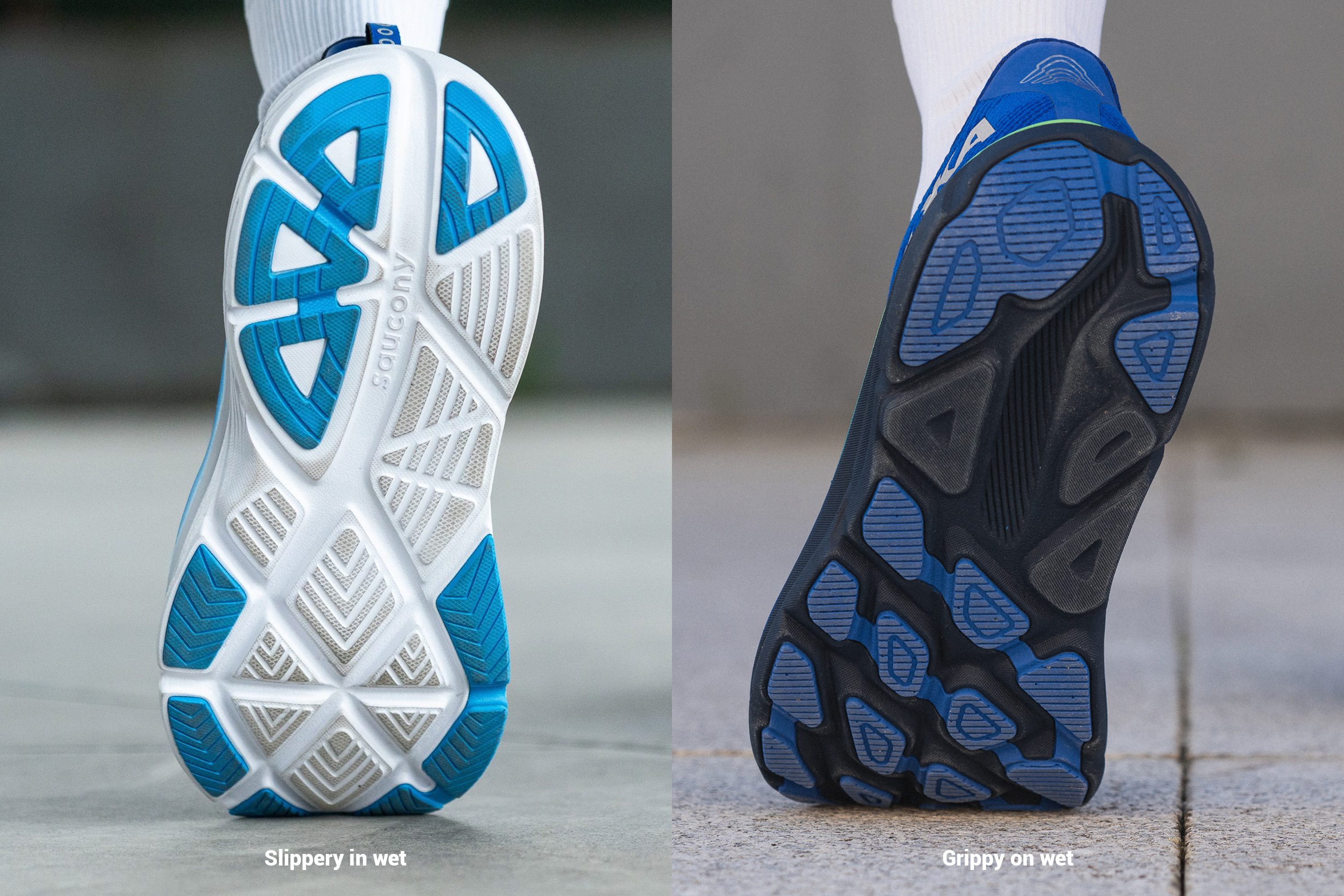
We highly recommend that you avoid shoes with flat soles and too much exposed foam as these are a true slipping hazard on wet surfaces.
Checking the outsole of a waterproof shoe, here is what you should look for:
- Sufficient rubber coverage (at least 50% of the sole) or even a full-length rubber outsole
- Textured tread pattern and channels (grooves and curves)
In trail shoes, deeper lugs are a must for biting into soft and wet terrain. Look for at least 3.5 mm of lug depth.
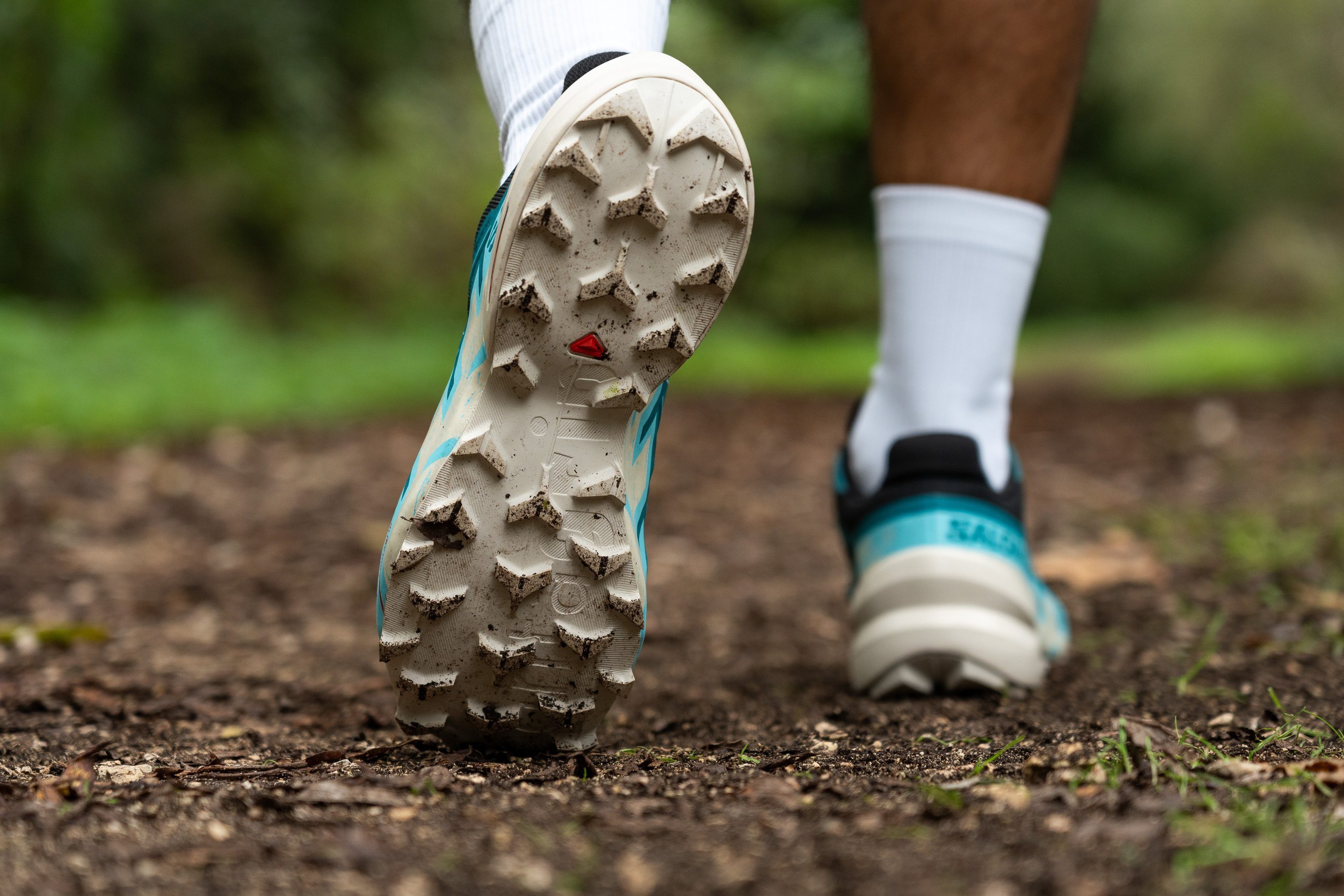
As long as the rubber remains unscathed, the grip is there. So it is important to get a waterproof walking shoe with a durable rubber outsole. We check the abrasion resistance of each rubber outsole in our lab to help you choose wisely.
We drill the outsole using a Dremel with sandpaper and then measure the depth of the dent it left on the rubber. The smaller the reading the more hard-wearing it is.
link