The 8 most influential interior design trends of the last 50 years
admin
The last five decades have seen transformations and revivals in interior design, often reflecting lifestyle changes and cultural trends in light of broader societal shifts, economic conditions and advances in tech.
“The past 50 years have been a time of tremendous transformation in interior design,” says Agata Brach, designer and owner of interior design studio Agata Brach Architekt. “Styles inspired by history, technology and nature have emerged, shaping contemporary living spaces.”
From the bold excess of the 1980s to sustainable choices of the 2020s, each era has had an impact on the way we design and inhabit living spaces. We asked interior designers and industry experts to weigh in on what they believe are the most impactful trends of the last 50 years.
Although they were all willing to divulge their influences, as Pauline Leprince, Paris-based interior architect and designer, puts it, interior design is design that is not meant to be looked at, examined, “but felt, lived, inhabited”.
“If I had to name one truly foundational trend over the last 50 years, it would be the one that doesn’t claim to be a movement: a slow, deep reconciliation with the living,” she says. “A design that no longer seeks to impress, but to connect. To connect space to real uses. To connect the home to the body, to materials, to light, to landscape. To connect the object to intimacy.”
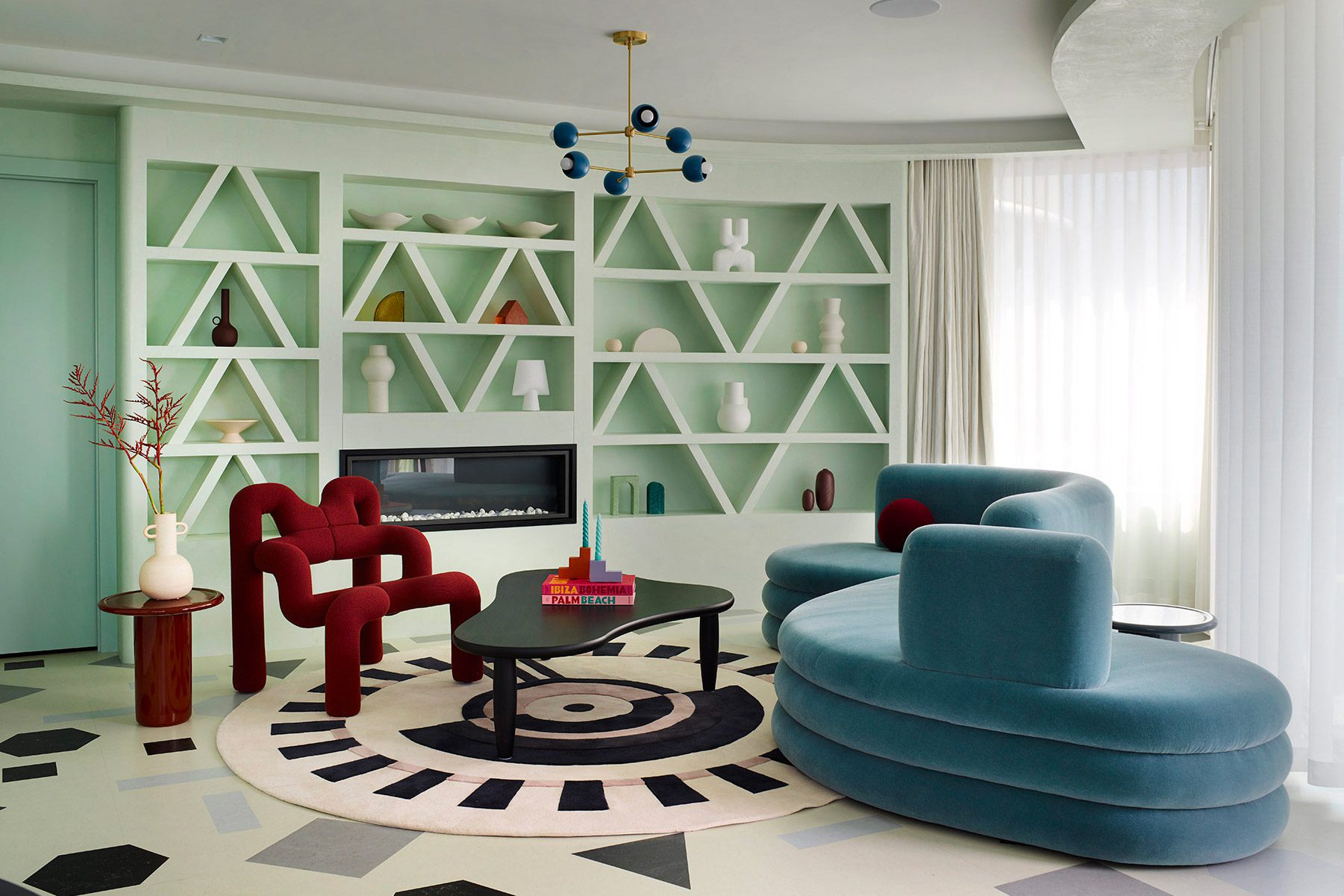
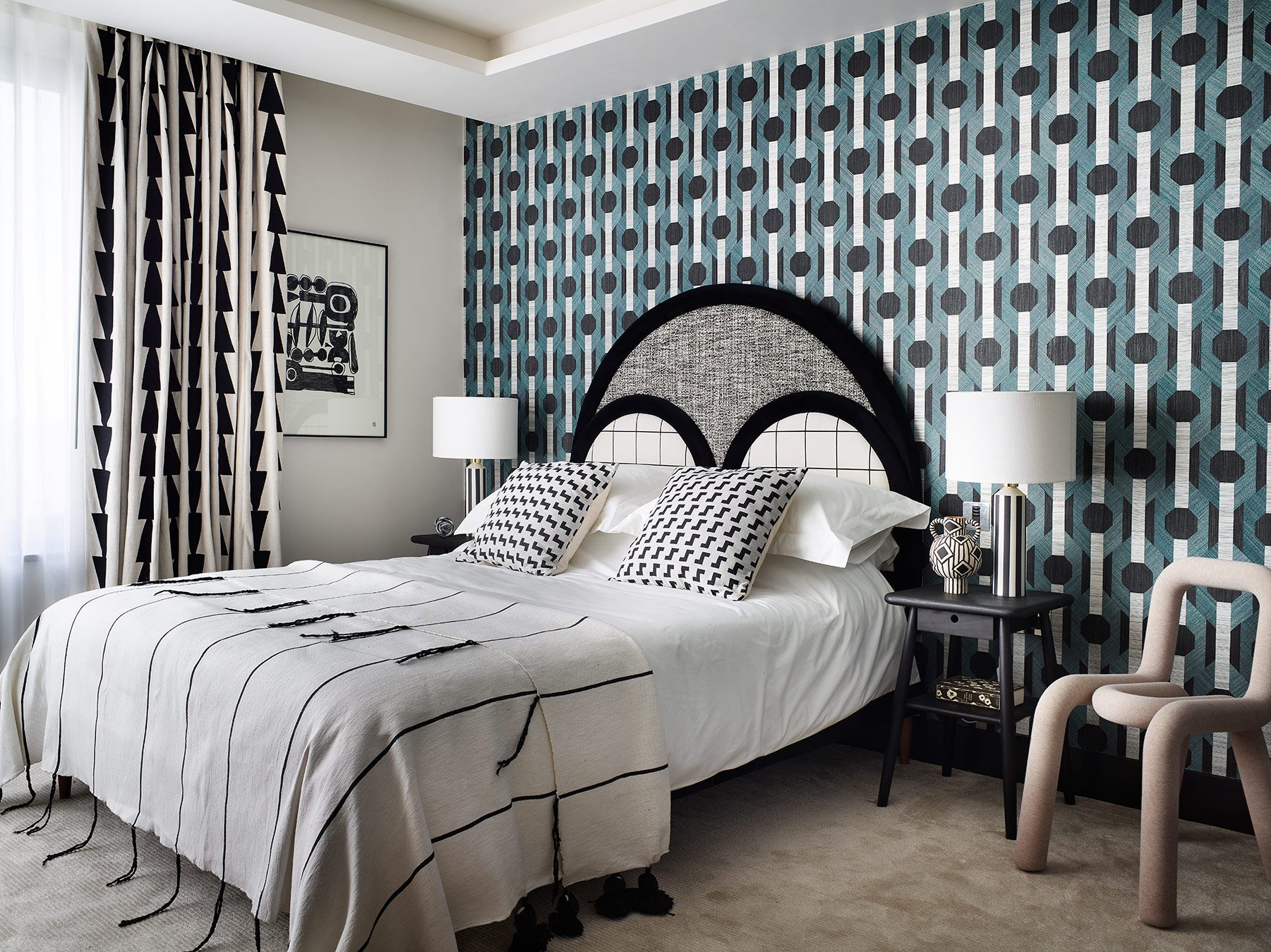
“More is more!” the maximalism of 1980s interior design screamed, reflecting the economic boom and drive for mass consumption of the decade. Geometric patterns, neon colors, shiny fabrics, busy wallpaper and dramatic color combinations made a statement. While glass-topped tables, mirrored surfaces and chrome fixtures dominated spaces with an air of theatricality and deliberate excess.
The Memphis movement of the decade was one of the most influential trends for Sophie van Winden and Simone Gordon of Owl Interior Design. “Led by Ettore Sottsass in the 1980s, it challenged conventional ideas of good taste and brought a bold, playful energy to design that still resonates today,” they say. “We love how it blurred the lines between art and furniture, encouraging a more expressive and experimental approach – something we still reference in our work when we want to bring in personality and unexpected detail.”
Kitsch culture
(Image credit: Harrison Eastwood/Getty)
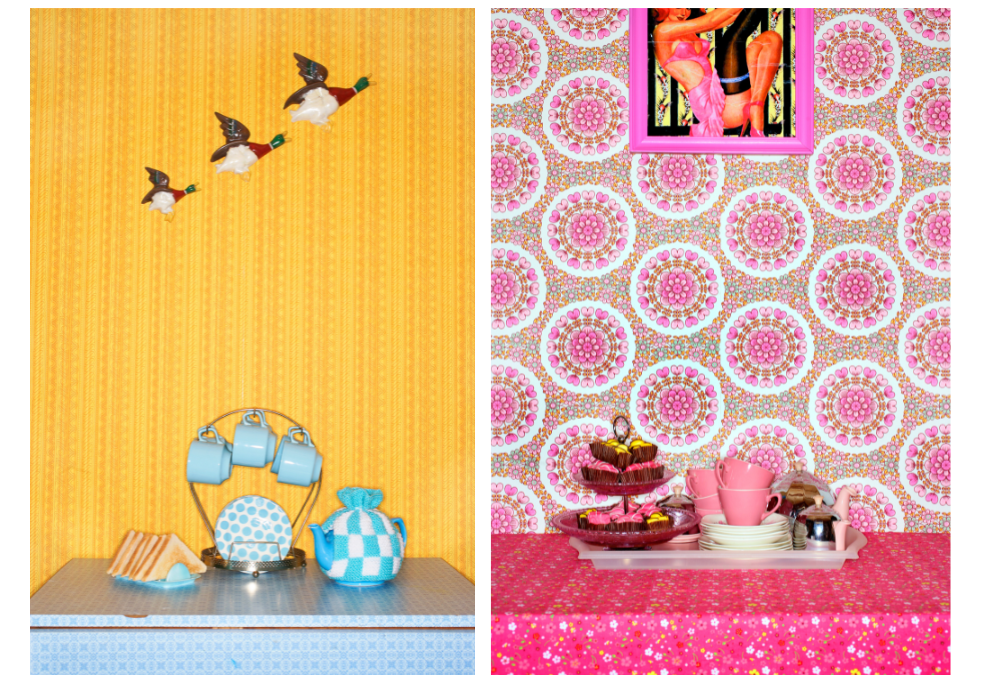
The first half of the 1990s playfully embraced kitsch culture, as irony and nostalgia collided to create lived-in spaces. As the British Institute of Interior Design says, “kitsch was everywhere as people sought idiosyncratic, eclectic home design that harkened back to the past”.
As recession and economic uncertainty gnawed, there was a rejection of expensive “good taste” in favour of accessible, humorous design choices. Inflatable furniture, lava lamps, beaded curtains and brightly coloured appliances celebrated the deliberately tacky and artificial, while vintage finds and other mass-produced novelties added a child-like sense of comfort.
Daily design news, reviews, how-tos and more, as picked by the editors.
Industrial edge
(Image credit: Agata Brach)
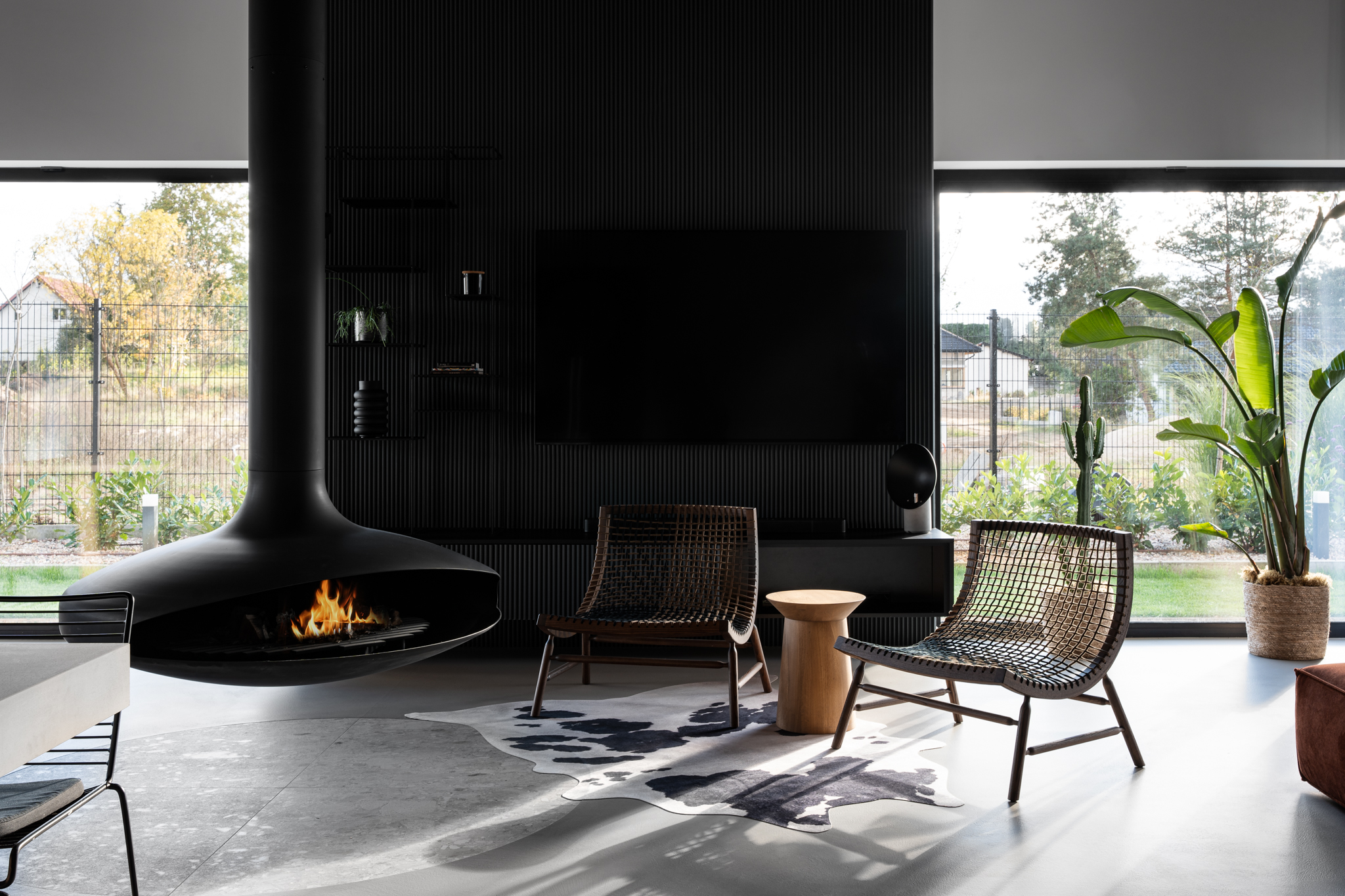
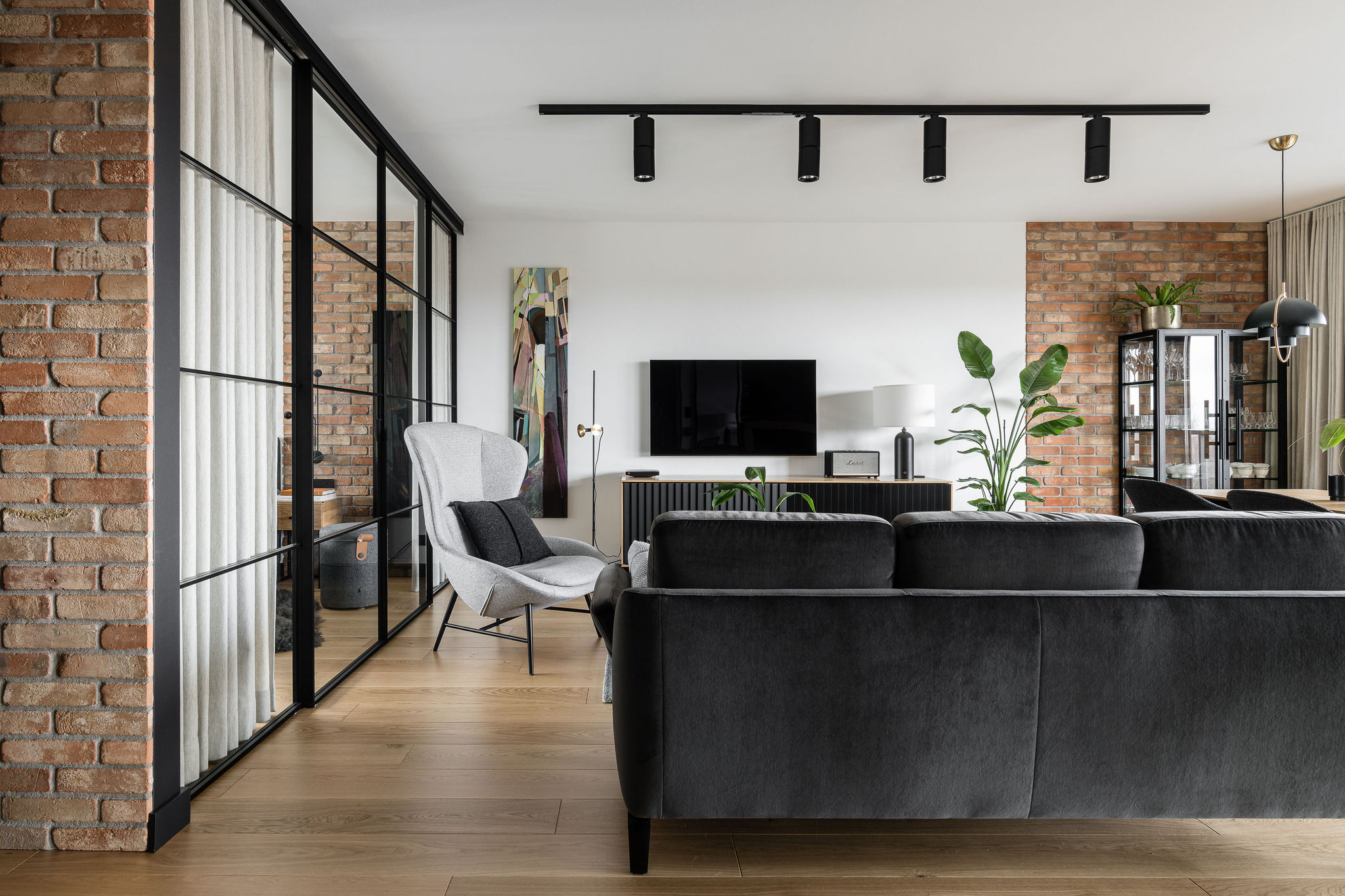
Simultaneously, the industrial aesthetic was gaining momentum. The allure of urban lofts and converted warehouse spaces, popularised by MTV videos and films, called for raw materials: exposed brick walls, visible structural elements and concrete floors. Furniture was utilitarian, in weathered wood, leather and steel. What started as a necessity, as people couldn’t afford traditional renovations, became a chic design choice reflecting the rise of creative industries.
“One of the most significant trends is the raw, industrial loft style. It originated in the 1960s in New York City, when former industrial buildings were adapted into apartments and creative studios,” Agata says, noting how it grew as a sought-after style in subsequent decades. “Over time, this industrial character of interiors became synonymous with creativity and prestige.”
(Image credit: Agata Brach)
“It’s a style defined by open spaces without traditional room divisions. These spaces combine designer furniture with vintage pieces. The colour palette is dominated by shades of grey, black, and natural wood, with occasional stronger colour accents,” she adds. “Loft style attracts people who value open, free-flowing spaces with a raw character associated with independence and an urban lifestyle. Today, this aesthetic continues to inspire new residential developments, giving rise to so-called soft lofts.”
Pauline agrees that the industrial aesthetic, taking hold as a trend in the 1990s, was closely linked to a sense of freedom when it comes to living spaces. “It was like a cry against the standardised, reawakened forgotten places, wastelands, factories, concrete memories. It gave a voice back to bare, wounded, rugged architecture,” she says.
“But I never approach it as a style. I listen to it as a memory. A rusted beam left exposed is not a statement – it’s a scar. A raw wall, a stained floor, a harsh light: these are fragments of narrative. I summon them not to freeze an aesthetic, but to let places speak. There is something deeply human in this aesthetic: a recognition of the site’s history, an acceptance of the passage of time. For me, the industrial is an art of the palimpsest: we don’t erase — we overlay, we reread, we compose with what remains.”
Minimalist new millenium
(Image credit: Pauline Leprince)
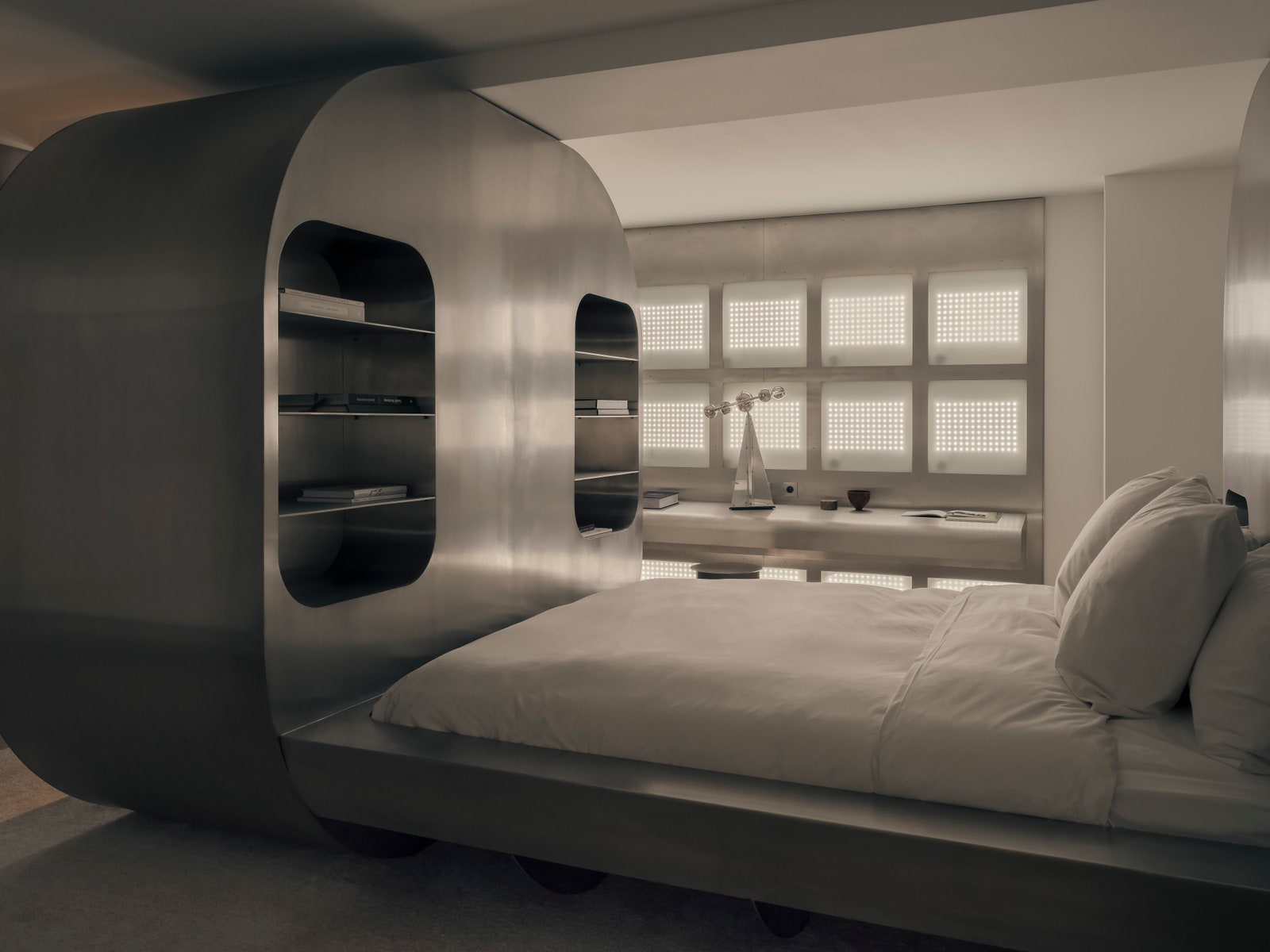
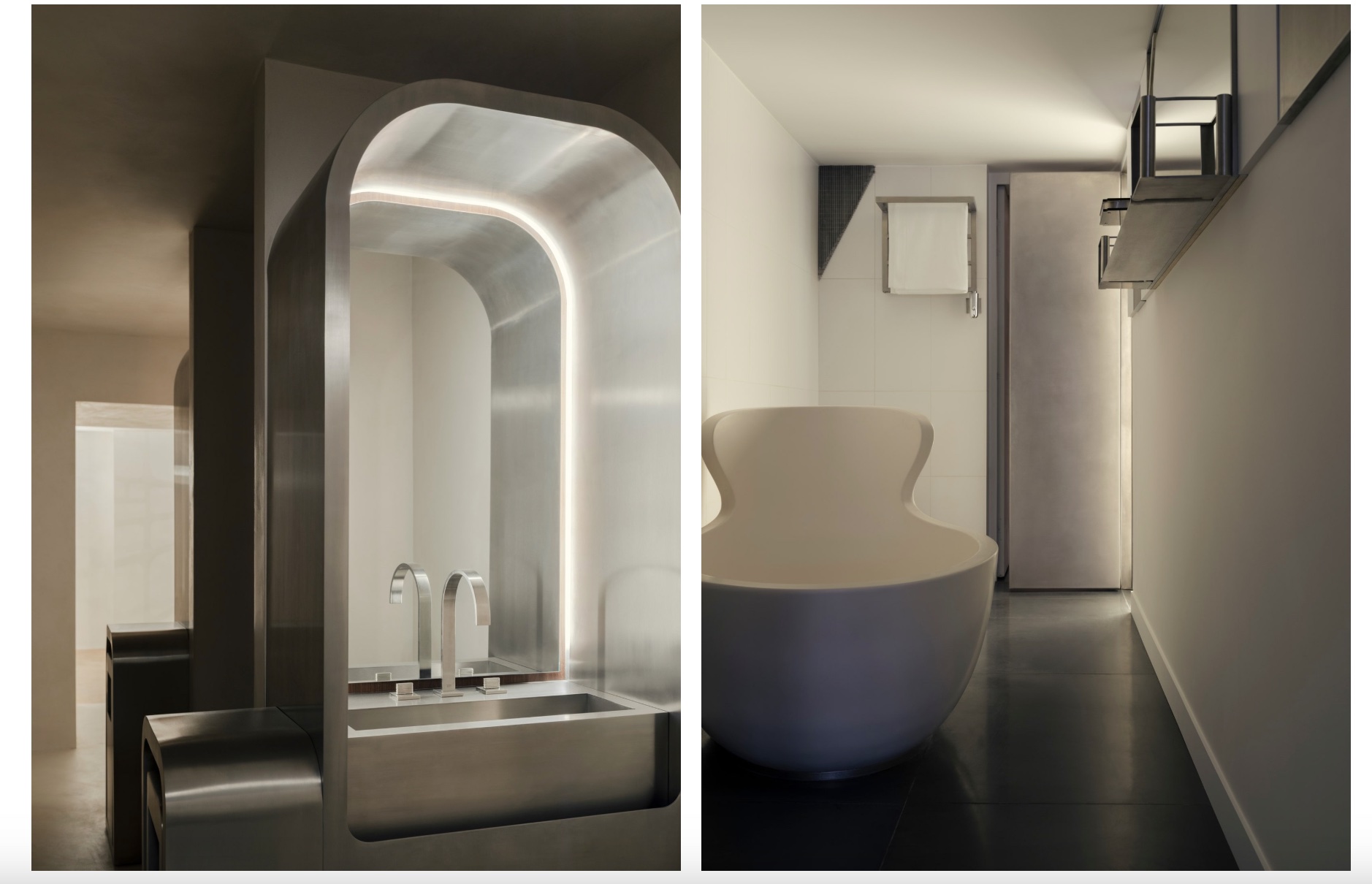
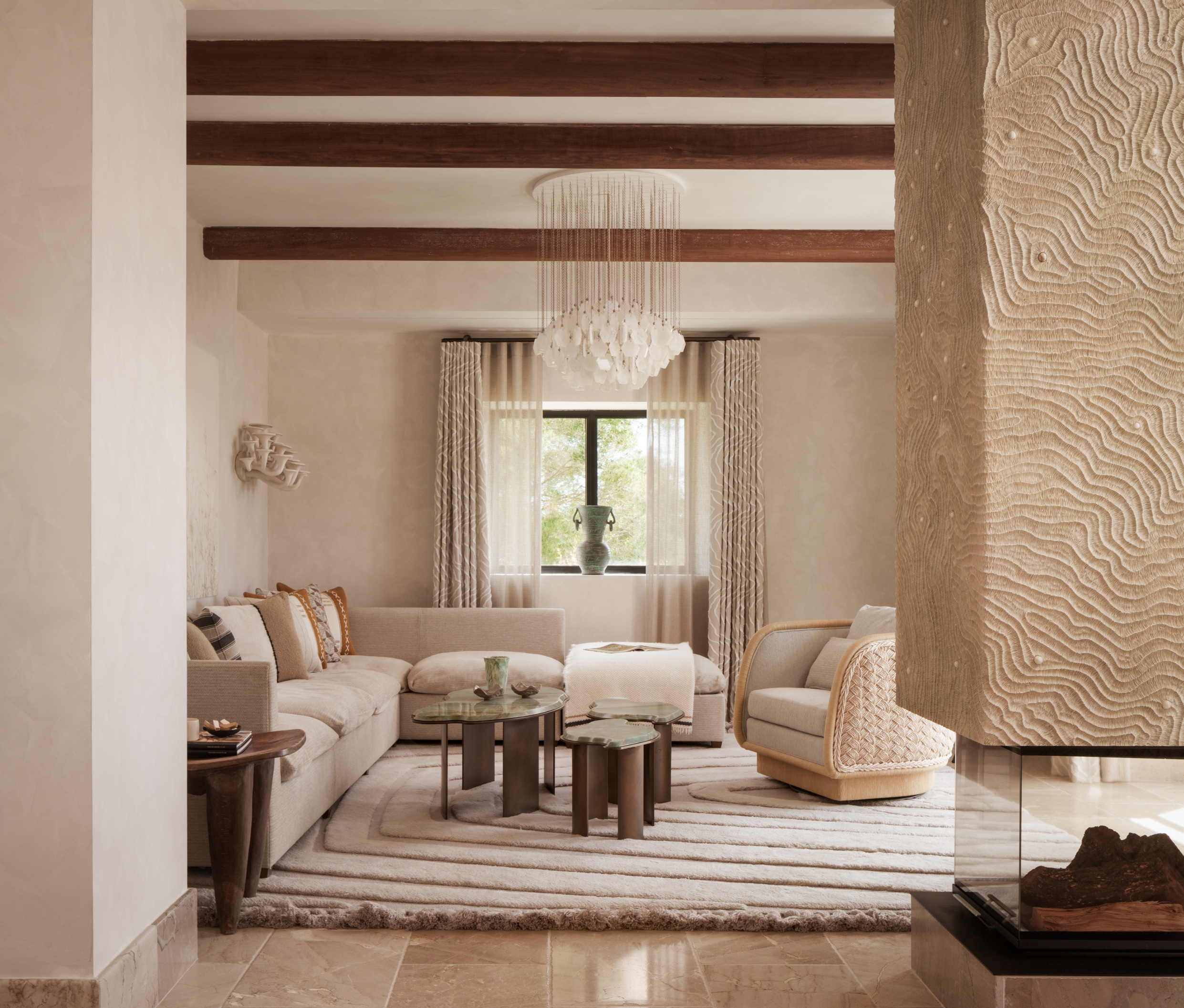
The 2000s brought information overload and an increase in digital life. As a counterbalance to this increasingly complex world, calm, simplified environments embraced clean lines, neutral colour palettes – whites, greys and blacks – and open and uncluttered spaces, with carefully curated furnishings and sleek built-in storage.
“Since the 2000s, minimalism has imposed a form of resistance: against accumulation, excess, and visual noise. It has cleared space to better reveal the invisible. It reminded the world that absence is also a presence, that emptiness can hold more intensity than profusion,” Pauline says.
The minimalist movement often prioritised investment pieces in otherwise sparse rooms and natural light from large windows and skylights. This also led to an increased interest in Japanese design principles and the rise of lifestyle gurus and decluttered living.
(Image credit: Pauline Leprince)
“This movement was a radical revelation for me. It taught me to erase in order to reveal, to subtract rather than add, to retain only what is necessary — not functionally, but emotionally,” Pauline continues. “The minimalism I embrace is neither cold nor slick: it is radically alive. It gives space to light, to long shadows, to silence as a material. It invites listening, slowing down, contemplation.”
“In my projects, I search for the precise tension between density and absence. A raw material that vibrates, a wall’s corner that catches the dawn, a pure line that crosses the space like a breath. The space becomes almost an interior landscape — a territory for breathing.”
Hygge and homely
Recent work by Erin and Bat Studio (Image credit: Bat Studio)
The Danish concept of “hygge” was an unmissable cultural phenomenon in the 2010s. Scandi design principles became popularised, emphasising cosy, comfortable spaces with warm neutral colour schemes and natural materials such as light woods, wool and linen. Simple, functional furniture took precedence, complimented by homewares in soft textures alongside candles and plants. Comfort and wellbeing were prioritised, in a response to an increased awareness of mental health and the need for restorative home environments.
Paired with this homely feel came the desire for a hand-made, human touch in interior design – which Erin Tyler, founder of the eponymously-named London studio, says is still a key consideration for many interior designers today.
“Decorative artists like Tess Newall who hand-paints furniture and wallpaper add a human touch to make spaces feel more homely and personal,” she says. “Hand-painted tiles also seem to be growing in popularity – for example polish company Artkalfe hand-paint natural motifs onto tiles which makes each one extra special and difficult to produce on a mass scale.
(Image credit: Bergman Design House)
Marie Soliman, founder, creative director of Bergman Design House says that similarly, now, there is a growing trend for wellness-focused interior design. “It’s not just a trend, it’s here to stay, particularly in residential spaces. This movement emphasises creating zen, clean, and organic environments that support the well-being of both mind and body,” she says.
“At its core, this trend embraces natural materials and calming colour palettes, fostering an understated luxury that promotes tranquility and mindfulness. Elements such as organic plaster paints, like Bauwerk, combined with the strategic use of indoor plants and natural light, are essential to crafting serene atmospheres that enhance overall wellbeing.”
The secondhand renaissance
Simultaneously, the 2010s saw a shift toward purchasing secondhand and vintage furniture. Driven by a combination of economic necessity, environmental awareness and the joy of unique homeware finds on social media, alongside the rise of online secondhand platforms and upcycling tutorials.
“Over the past 50 years interior design trends have become far more accessible with the rise in popularity of vintage and second-hand furniture. Sites like Facebook marketplace and Vinterior make it easy to get the pieces you want by buying them secondhand,” Erin says. “Not only is it a more sustainable way to test styles in your own home, it also helps to make a space more grounded and unique. I think it’s more than just a trend – it’s a cultural shift in the way we shop for interiors and create spaces.”
Sustainability and craftsmanship
(Image credit: Nicola Harding)
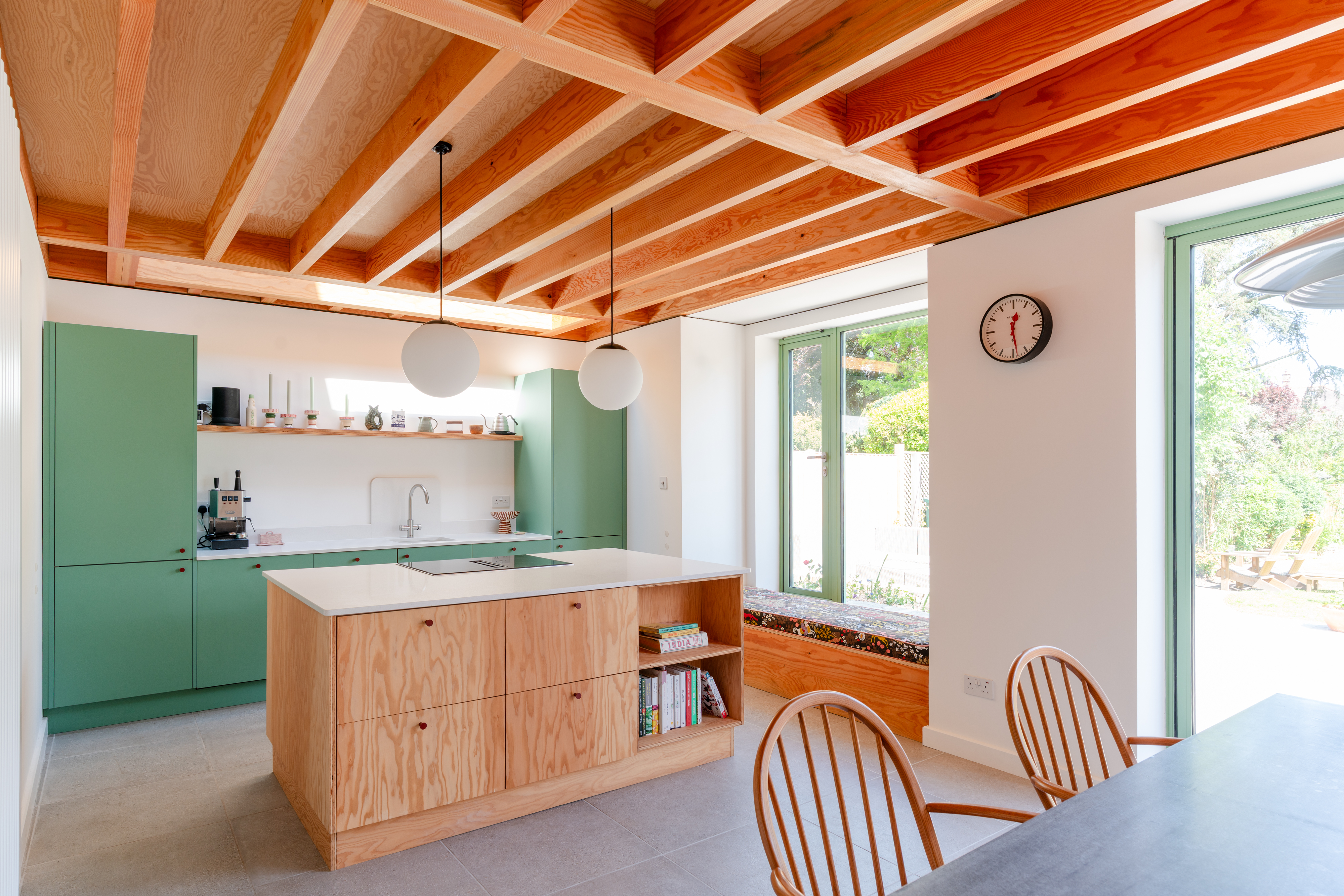
The increasing environmental consciousness of the 2010s and 2020s has led to a rise in eco-friendly materials, energy-efficient appliances and furniture made from reclaimed or sustainably sourced materials – prioritising longevity over fast fashion. Circular economy principles are also influencing design choices, from locally made items to brands with ethical supply chains.
“Sustainable design and responsible craftsmanship both in interiors and our homewares is an influential and impactful direction. Sustainability is not so much a trend but a movement that has grown in momentum over the last 50 years with well-made, long-lasting products that are now much more accessible,” says interior designer Nicola Harding. “Craftsmanship as a trend has seen a surge in popularity and it is fuelled in part by sustainability and our love of nature. We are seeking out locally made, connecting with the handmade and reinvigorating traditional techniques.”
(Image credit: Owl Interior Design/Rachael Smith)
Simone and Sophie of Owl Interior Design agree :“A hugely influential movement for us is the rise of sustainable design. Over the last two decades, there’s been a real shift towards more conscious interiors — favouring vintage, repurposed and responsibly sourced materials over fast design. It’s something we’ve always valued at Owl, not just for its environmental benefits, but for the richness, texture and story it brings to a space. Thoughtful, lasting design is never a trend — but we’re glad it’s becoming the standard.”
Technology integration
Smart technology has also been increasingly integrated into home and spatial design through the 2020s so far – including voice-controlled lighting systems, smart thermostats and remote security systems. The challenge is often how to incorporate tech elements without compromising the aesthetic, which has led to innovations in hidden wiring, sleek device designs, and furniture that doubles as charging stations or tech hubs.
However, Erin says that tech brings other challenges to the world of interior design. “A more recent trend that seems to be gaining momentum is the popularity of handmade, unique pieces. Perhaps this is a reaction to ‘Chat GPT’ interiors, as people seek a human connection in creating spaces, preferring hand-drawn sketches to visualise spaces rather than hyper-real CGI renders,” she says.