


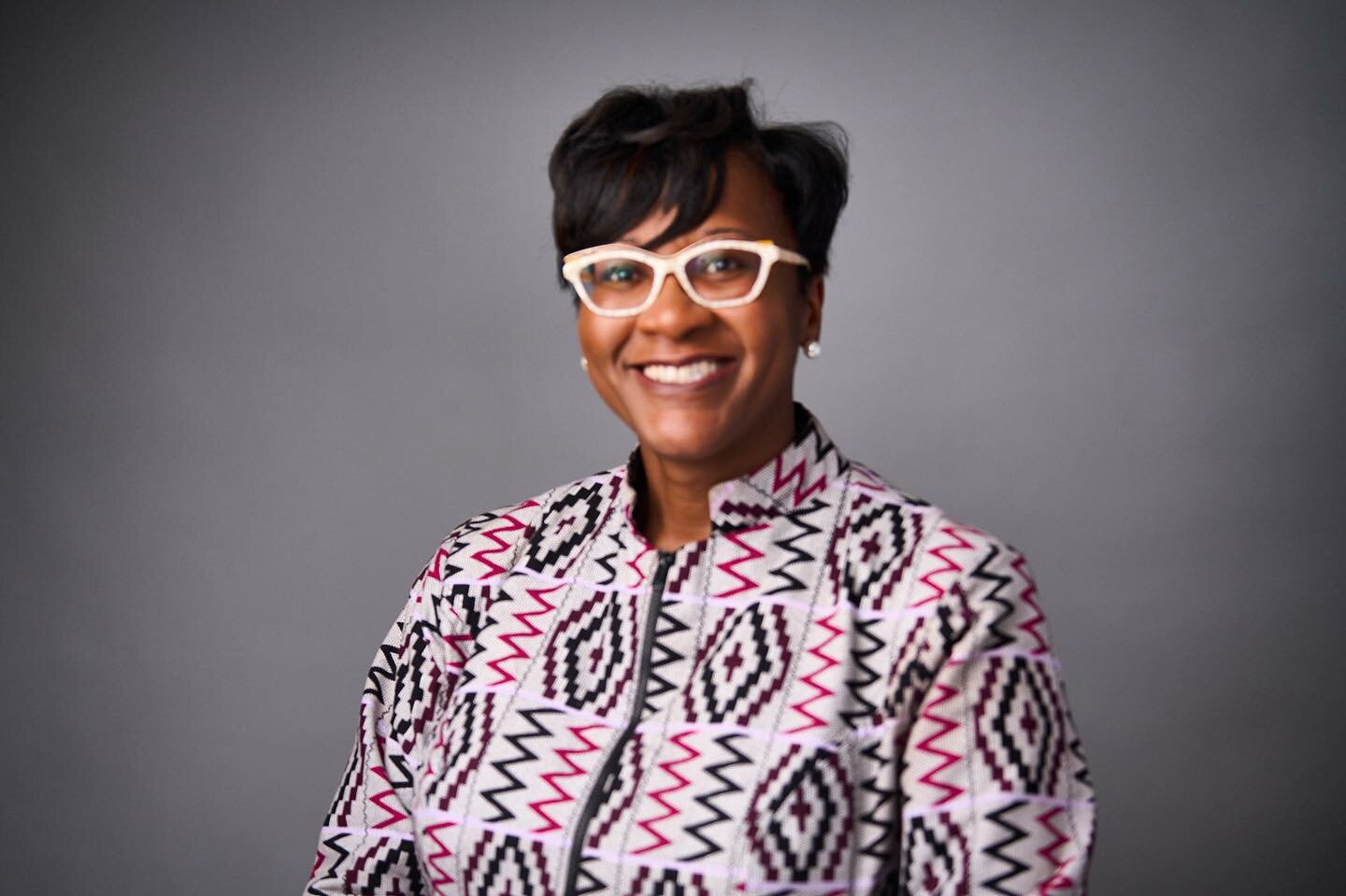
By Dr. Artika Tyner, dr.artikatyner@gmail.com
Did you know 25 books in a home library can lead to an average increase of two years in educational attainment for children? Home libraries significantly influence children’s development by shaping how they learn and laying a strong foundation for future academic success. According to Unite for Literacy, the lack of access to books in households with young children contributes significantly to the prevalence of education gaps across the United States. Building home libraries can help to bridge this gap – one book at a time, one child at a time.
Role in early childhood development
To ensure the building of early language and vocabulary, children should be exposed to books. This early exposure to books, especially in their households, introduces them to new and interesting words while building their vocabulary. Studies show children learn on average 4,000-12,000 new words each year when actively engaging in reading. It also fine-tunes their sentence structures. Children who are fortunate enough to grow up in a household with a library stocked with age-appropriate and culturally relevant books tend to develop far stronger vocabulary and communication.
Frequent reading and being read to stimulates the areas of the brain that are responsible for cognitive development. Children who participate in reading at an early age become more attentive. Their memory becomes more developed; additionally, there is a significant improvement in their reasoning. A child’s brain grows faster than any other time of life during the first five years. Research shows eighty percent of the brain is developed by age three. Therefore, experiences during these formative years go a long way in nurturing brain development. Early learning shapes a child’s future success in school, and meaningful reading experiences aids optimal growth and development.
Reading also supports social emotional learning. Stories from books in the home library will introduce children to different characters, emotions, as well as conflict resolution strategies. Children’s empathy is also built through reading. They develop essential skills such as emotional intelligence, social awareness, and problem solving. Studies have shown a correlation between the ability to read and social-emotional skills. Individuals who are literate tend to experience fewer behavioral challenges and stronger critical thinking abilities.
During the formative years of children, it is imperative to have a bond with their parents. This bond can be nurtured through reading together in the home. This practice creates a warm and nurturing environment for children to thrive, build trust and contribute to overall emotional development.
When a child grows up around books, they tend to develop a love for reading. This exposure to books makes reading an enjoyable activity. Children exposed to books from an early age often develop into “bibliophiles” (someone who loves books). At this stage, reading is no longer seen as a requirement but a pleasurable activity.
Breaking barriers and creating access
Home libraries serve as bridges that promote equity and academic excellence. Where schools have limited resources, home libraries augment this effort by providing the needed books for children to improve their literacy skills.
Building a home library is a call to action. First Educator: refers to the fundamental primary role that parents and caregivers play in a person’s early development and education. They instill essential life skills, morals, and behaviors. First educators can adopt the following strategies to increase children’s access to books:
• Community book drives
You can host a gathering of friends, family, and the community to organize book drives in communal places such as churches, schools, or workplaces. This will encourage people to donate books to support their community.
• Book banks
You can set up book boxes at strategic locations within the community such as at recreation and health centers. This allows families to borrow and return books at their convenience. They can also drop off books they have finished reading for others to access. This promotes a continuous circulation of a wide range of books, rather than each child or household being limited to only a few books. Models like the Little Free Library can serve as an invaluable resource.
• Make gifting books a norm
During milestones in the life of a child, such as birthdays, holidays, or any occasion that involves gifting, family members and friends can be encouraged to give books instead of toys. This helps the household to gradually build a collection of age-appropriate books that can be used to set up a home library. Books lists and suggested readings can be found at Bookshop.org.
Planting People Growing Justice Leadership Institute (PPGJLI) is a literacy nonprofit which seeks to plant seeds of social change through education, training, and community outreach. The organization addresses challenges such as promoting reading and increasing diversity in books. They achieve this goal through partnerships with other nonprofits, civic groups, and businesses. Lutunji’s Palate (a bakery/café) is one of such partner organizations. Together with PPGJLI, they collaborated to create a community-based literacy hub. PPGJLI places free children’s books in the café for its customers to read alongside enjoying their meals. PPGJLI’s monthly Leaders are Readers program provides an opportunity to build a home library through free book donations and gain skills for teaching basic literacy. It is held every first Saturday 11 a.m. – 1 p.m. at the Jimmy Lee Recreation Center (1063 Iglehart Ave.).
Through her organization, Planting People Growing Justice Leadership Institute, Dr. Artika Tyner offers resources to foster literacy and education.
link